

When a doctor switches you from a brand-name pill to a generic version, you might expect the same results. After all, the FDA says they’re identical. But too often, patients report new side effects-headaches, nausea, fatigue, even mood swings-that never happened before. The problem isn’t the drug. It’s the perception.
Why You Feel Worse on a Generic (Even When It’s the Same)
A 2025 study tested this with fake nasal spray. Healthy volunteers got the same inactive solution, but some were told it was a cheap generic with a complicated name. Others were told it was a pricey brand with a clean label. Those who believed they were taking the generic reported more side effects-significantly more. The drug was identical. The only difference? What they thought they were taking. This isn’t rare. In the U.S., 90% of prescriptions are for generics. Yet nearly 4 out of 10 patients still worry they’re less effective. Why? Because our brains don’t just respond to chemistry. They respond to price, packaging, brand names, and stories we hear from friends, social media, or even TV ads. The nocebo effect-where negative expectations cause real physical symptoms-isn’t imaginary. It’s measurable. Studies show people on placebos report side effects at rates close to those on actual drugs. When you’re told a generic might cause problems, your brain starts scanning for any tiny discomfort: a slight headache, a tired feeling, a weird taste. Then it blames the pill. It’s not the drug. It’s the story you’ve been told.How Packaging and Price Trick Your Brain
In one experiment, participants used a fake anti-itch cream. One group got it in a sleek blue box labeled "Solestan® Creme"-looked expensive. Another got the same cream in a plain orange box labeled "Imotadil-LeniPharma Creme"-looked generic. The cream had no active ingredient. But the group with the "expensive" version reported more pain sensitivity. Why? Because they expected the cheap version to be weaker-and therefore more likely to cause side effects. Packaging matters. A generic pill in a simple white bottle with a plain label feels like a compromise. A branded pill in a colorful, branded box feels like quality. That feeling sticks. Even when the pills are made in the same factory, under the same rules, with the same exact ingredients. In New Zealand, when the brand venlafaxine switched to a generic version, reports of side effects didn’t spike at first. But after local news ran stories warning about "generic substitution risks," reports jumped 300%. The drug didn’t change. The story did.What Bioequivalence Really Means (And Why It Doesn’t Fix Perception)
The FDA requires generics to prove they’re bioequivalent. That means the amount of active ingredient entering your bloodstream must be within 80-125% of the brand. In practice, most generics are within 95-105%. That’s not a gap. That’s the same. But here’s the catch: bioequivalence doesn’t fix belief. Two studies found patients reported more side effects from authorized generics-medications made by the same company as the brand, in the same factory, with the same packaging-just sold under a different name. The pill didn’t change. The label did. And that was enough. A 2021 meta-analysis of 37 studies found that 15-22% of reported side effects after switching to generics were likely caused by perception, not chemistry. That’s not small. That’s millions of people feeling worse because they think they’re getting a lesser drug.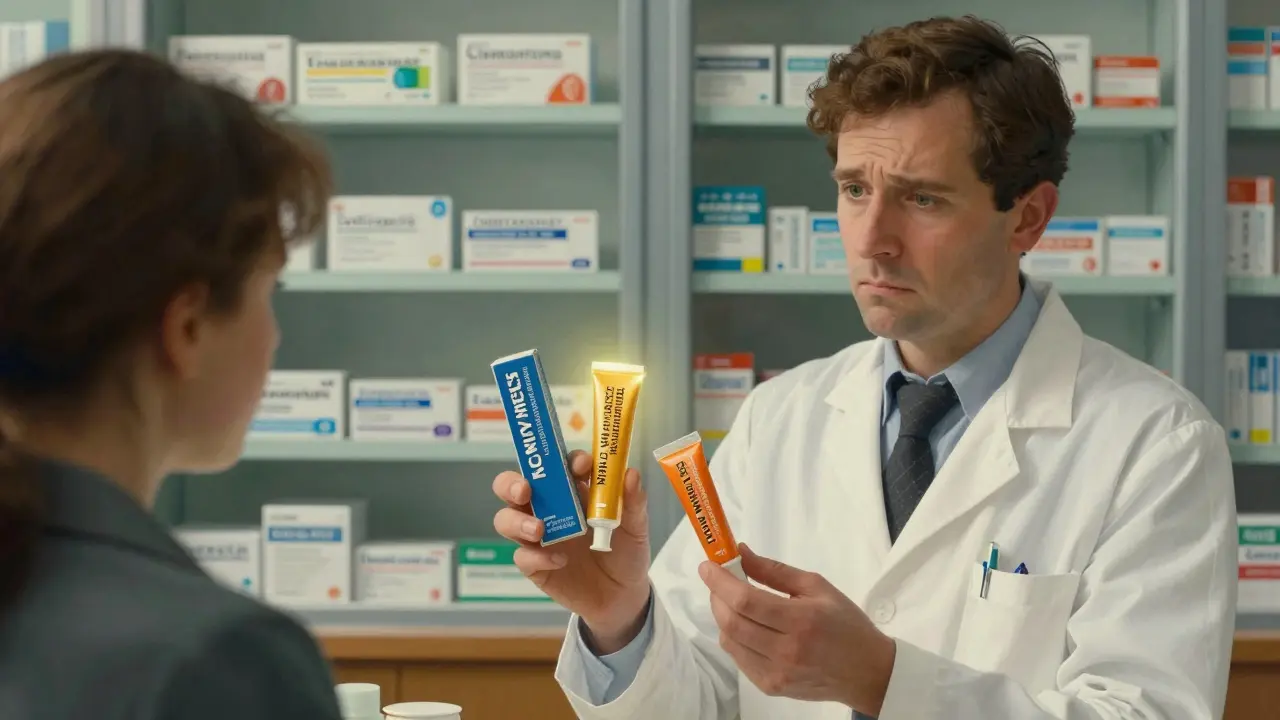
How Doctors and Pharmacists Can Help
The moment you’re told, "We’re switching you to a cheaper version," your brain goes on alert. That’s when nocebo starts. But if you’re told, "This is the exact same medicine, just without the brand name. Many people save thousands a year and feel just as well," the story changes. Kaiser Permanente trains staff to use a simple script when switching patients: "This medication contains the exact same active ingredient as what you were taking. Studies show patients do just as well on the generic version. You’re not losing anything-except the extra cost." That script works. It doesn’t deny concerns. It reframes them. Avoid saying things like: "Some people report side effects when switching." That plants the idea. Instead, say: "Most people don’t notice any difference. If you do feel anything unusual, we’ll figure it out together." Use the Beliefs about Medicines Questionnaire (BMQ) to spot patients who worry a lot about side effects. These are the ones who need extra support. Don’t assume they’re being irrational. They’re responding to real psychological triggers.What Patients Can Do to Protect Themselves
If you’ve been switched to a generic and started feeling worse:- Don’t assume it’s the drug. Ask: "Could this be my brain reacting to the change?"
- Check the timeline. Did symptoms start right after the switch? Or did they build slowly? Real side effects from chemistry usually appear within days. Nocebo effects can appear hours later, triggered by worry.
- Look up the manufacturer. Many generics are made by the same companies that make the brand. If the brand and generic are from the same factory, the difference is purely in the label.
- Ask your pharmacist: "Is this made by the same company as the brand?" If yes, you’re getting the same product.
- Track your symptoms. Write down what you feel, when, and how intense. This helps separate real reactions from perception.
The Power of Framing: Cost Savings as a Positive
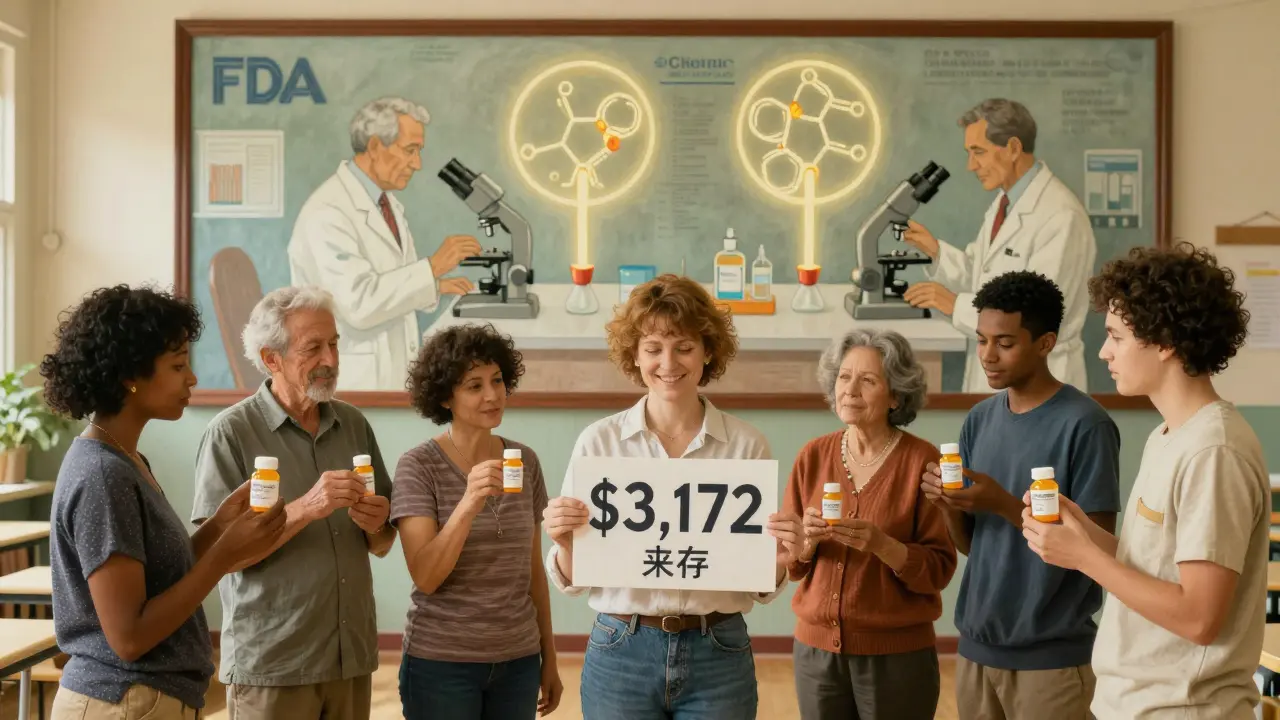
A 2022 study gave patients two messages about generics:- Group A: "This generic is just as effective as the brand."
- Group B: "This generic is just as effective as the brand-and saves you $3,172 a year."
Why Some Brands Still Win (Even When They’re the Same)
You’ve probably noticed: some generics look like brands. Same color. Same shape. Same logo. These are called "branded generics." They’re still generics-no patent, lower cost-but they use packaging that feels familiar. Patients report fewer side effects with these. Why? Because they don’t trigger the "cheap substitute" thought. The European Medicines Agency says packaging shouldn’t mimic brands to avoid confusion. But it also says differences shouldn’t alarm patients. That’s a tightrope. The solution? Design generics to feel neutral-not cheap, not flashy. Clean. Professional. Reliable.What’s Next: Fighting the Nocebo Effect for Good
The science is clear: perception shapes outcomes. The challenge is changing the narrative. Health systems need to train providers to recognize nocebo effects. A patient who says, "I can’t take this generic anymore," might not need a different drug. They might need a different conversation. Social media is a double-edged sword. Reddit threads like "My generic sertraline made me feel awful" spread fast. But so do stories like "I switched and saved $2,000-no difference at all." The goal isn’t to silence concerns. It’s to balance them with facts. Education isn’t about convincing. It’s about giving people tools to question their own assumptions. The future of generics isn’t just about chemistry. It’s about psychology. And that’s something every doctor, pharmacist, and patient can help fix-starting with one conversation.Are generic medications really the same as brand-name drugs?
Yes. By law, generic medications must contain the same active ingredient, strength, dosage form, and route of administration as the brand-name version. They must also prove they deliver the same amount of medicine into your bloodstream at the same rate. The FDA requires this proof through bioequivalence studies. The only differences are in inactive ingredients (like fillers or dyes), packaging, and price. These don’t affect how well the drug works.
Why do I feel worse on a generic if it’s the same drug?
It’s likely the nocebo effect. When you believe a medication is cheaper or less effective, your brain becomes more alert to normal bodily sensations-like a headache, fatigue, or stomach upset-and attributes them to the drug. This isn’t in your head in the fake sense; it’s a real physiological response triggered by expectation. Studies show people report more side effects from generics even when they’re taking identical pills under double-blind conditions.
Can packaging really affect how I feel on a medication?
Yes. In controlled studies, people using the same inactive cream reported more side effects when it came in a plain, generic-looking box compared to a sleek, branded-looking one. The same applies to pills. A white, unmarked tablet feels like a compromise. A colorful, branded pill feels like quality. That perception changes how your brain interprets physical sensations, even if the drug is chemically identical.
Should I ask for the brand-name drug if I’m worried about side effects?
If you’re truly struggling with side effects after switching, talk to your doctor. But don’t assume the brand is better. Often, the issue is perception, not chemistry. If cost is a barrier, ask if there’s a branded generic-same manufacturer, same quality, but with more familiar packaging. Sometimes, just changing how the medication looks can reduce anxiety and improve tolerance.
How can I tell if a generic is made by the same company as the brand?
Ask your pharmacist. Many brand-name drugs are made by the same companies that produce their generics. For example, the maker of Prozac also makes the generic fluoxetine. You can check the manufacturer name on the bottle or ask for the NDC code (National Drug Code) and look it up online. If it’s the same company, you’re getting the exact same product-just without the brand name.
Does insurance cover generics the same way as brand-name drugs?
Usually, yes-and often better. Most insurance plans have lower copays for generics. Some even require you to try the generic first before covering the brand. This isn’t just to save money-it’s because generics are proven to work just as well. If your plan doesn’t cover the brand, ask if there’s a generic version available. If you’re still concerned, ask your doctor if a branded generic (same manufacturer) is an option.




Comments(9)