Imagine walking into your pharmacy to pick up a routine prescription-something as basic as an antibiotic or a common chemotherapy drug-only to be told it's simply not available. This isn't a rare glitch; it's a systemic failure. In the U.S., generic drug shortages is a critical situation where the demand for affordable, off-patent medications exceeds the available supply, leaving patients without essential treatments . When 95% of all drug shortage reports involve generics, we aren't looking at a fluke-we're looking at a broken system.
The Technical Glitch: Why Factories Stop Producing
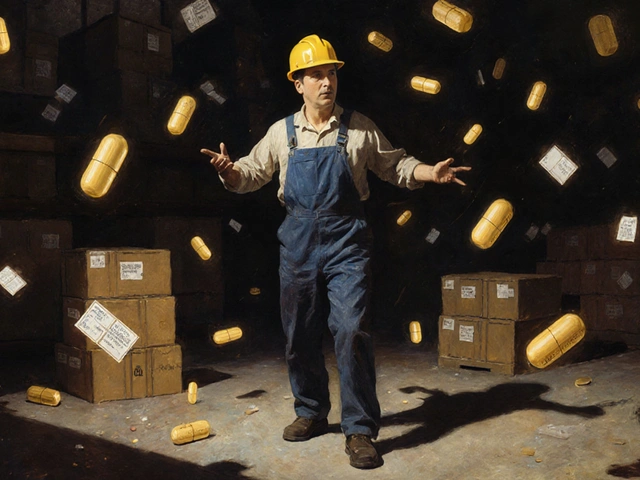
A lot of people assume shortages happen because of a sudden spike in demand, like a flu season. While that happens, the real culprit is usually inside the factory. Manufacturing and quality issues are the single biggest cause of shortages, accounting for about 62% of cases. This isn't just "running out of ingredients"; it's often a total shutdown.
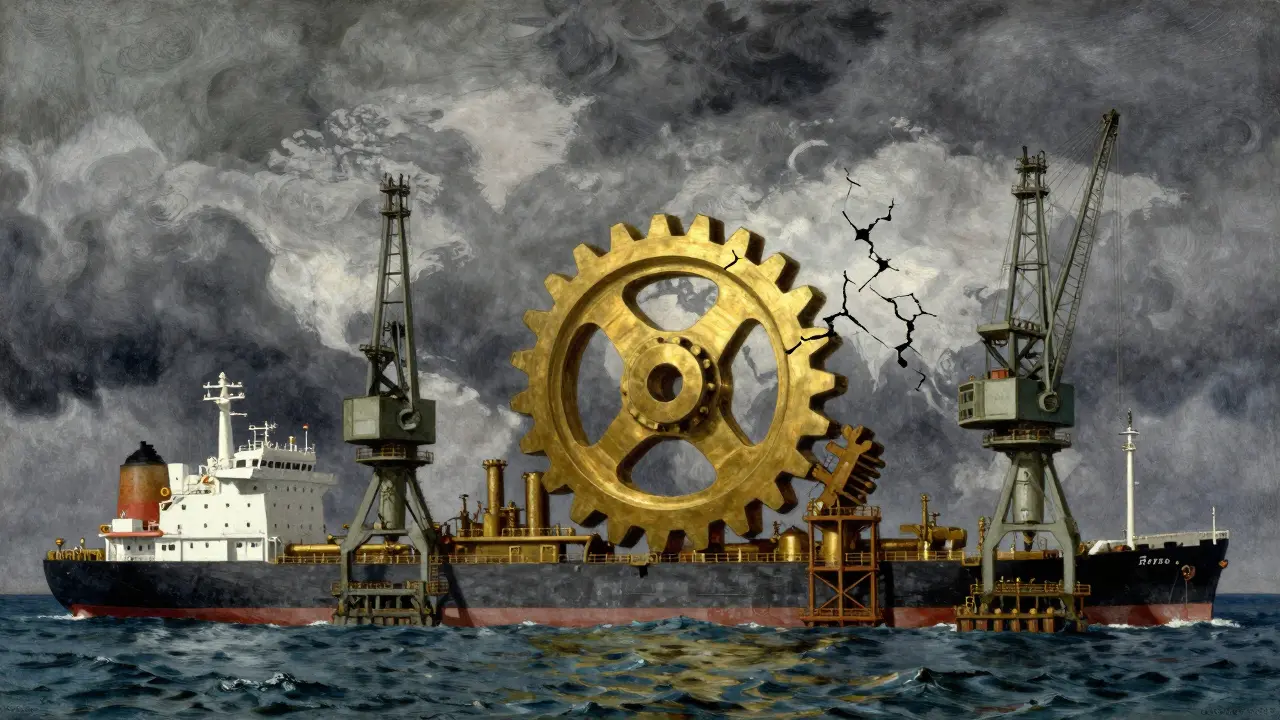
When a facility is hit with a contamination event or a critical piece of equipment fails, production stops instantly. Because many companies operate with "low to no excess capacity," there is no backup plan. If one plant goes offline, there isn't another one ready to pick up the slack. This lack of redundancy means a single mistake in one lab can trigger a nationwide shortage.
The API Problem: A Dangerous Lack of Diversity
To understand why we can't just "make more," you have to look at Active Pharmaceutical Ingredients (or API) the raw chemical components that produce the intended biological effect in a medication . The US doesn't make most of its own raw materials. Instead, we rely on a global web where roughly 80% of API manufacturing is concentrated in just two countries: China and India.
This geographic concentration creates a massive bottleneck. If a port in India shuts down or a factory in China fails a quality inspection, the entire North American pipeline dries up. We've reached a point where one in five shortage reports is tied to "sole-sourced" drugs-meaning there is only one company in the world making that specific ingredient. If that one company fails, the drug disappears.
| Feature | Generic Drugs | Branded Drugs |
|---|---|---|
| Typical Profit Margins | Below 15% | 30% to 40% |
| Production Capacity | Lean / No excess | Higher redundancy |
| Supply Source | Highly concentrated (Global) | More diversified |
| Price Competition | Intense / "Race to the bottom" | Controlled by patent |
The Money Trap: How Low Prices Fuel Shortages
It sounds counterintuitive, but the very thing that makes generics great-their low cost-is what makes them disappear. The market has become a "race to the bottom." Manufacturers face intense price competition and unpredictable sales volumes. When profit margins dip too low, companies simply stop making the drug because it's no longer financially viable.
This economic pressure pushes companies to cut manufacturing costs to unsustainable levels. They might skip expensive equipment upgrades or reduce staff, which ironically leads to the quality failures and contamination events mentioned earlier. It's a vicious cycle: lower prices lead to lower quality and fewer manufacturers, which leads to more shortages.
The Middlemen: The Hidden Role of PBMs
While factories and raw materials are the physical cause, Pharmacy Benefit Managers (or PBMs) third-party administrators that manage prescription drug programs for health insurers and employers are the structural cause. A handful of PBMs control about 85% of prescription drug spending in the U.S.
PBMs hold immense power over which drugs get approved on a "formulary" (the list of covered meds). By forcing manufacturers to compete for these spots through aggressive price cuts, PBMs inadvertently squeeze the profit margins of generic makers. When a manufacturer is forced to sell a drug at a loss just to stay on a formulary, they eventually just give up and exit the market entirely. This leaves us with fewer companies making the same drugs, increasing the risk of a total supply collapse.
A Tale of Two Systems: US vs. Canada
Interestingly, Canada deals with the same global supply chain issues but doesn't suffer as severely as the U.S. Why? It comes down to coordination. Canada uses strategic pharmaceutical stockpiles and maintains tighter cooperation between regulatory agencies, wholesalers, and the government.
In contrast, the U.S. stockpile is mostly designed for "black swan" events like terrorism or mass casualties, not for the chronic shortage of a common antibiotic. The U.S. system is fragmented; the government rarely coordinates with manufacturers until a crisis has already happened. Canada's more centralized approach allows them to spot a dip in supply and react before the pharmacy shelves are empty.
The Clinical Fallout: What Happens to the Patient?
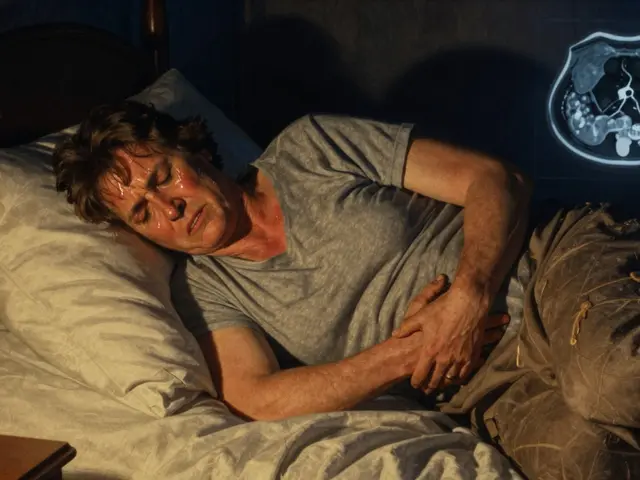
When a drug vanishes, the burden falls on the clinician and the patient. Doctors are forced to switch patients to "second-line" therapies, which may be less effective or have more side effects. In some cases, like with critical chemotherapy agents or anesthetics, there is no easy substitute.
Hospital pharmacists are now spending up to 75% more time managing these shortages than they did a few decades ago. They spend their days hunting for alternative suppliers or rationing doses. For the patient, this means delayed surgeries, interrupted treatment cycles, and the stress of not knowing if their life-saving medication will be available next month.
Is There a Way Out?
Fixing this requires more than just a few new factories. We need systemic change. One promising lead is the RAPID Reserve Act, which aims to create strategic reserves for critical generic ingredients and incentivize domestic manufacturing. If we can bring API production back to U.S. soil, we remove the risk of a single foreign port shutdown crippling our healthcare system.
Beyond that, we need a shift in how we value generics. If we treat these drugs as essential infrastructure rather than just commodities, we can incentivize companies to maintain excess capacity and prioritize stability over the lowest possible price. Without this shift, we're just waiting for the next factory failure to trigger the next crisis.
Why are generic drugs more likely to be in shortage than brand names?
Generic drugs have much lower profit margins than brand-name drugs. This makes them less attractive for companies to invest in. When manufacturing costs rise or a plant fails, companies often decide it's not financially worth it to fix the problem or build a new facility, leading to discontinuations.
What is an API and why does it matter?
API stands for Active Pharmaceutical Ingredient. It is the raw chemical that actually treats the condition. Most generic APIs are made in China and India. If these regions experience political instability or manufacturing failures, the rest of the world cannot produce the finished pill or injection.
Do PBMs actually cause drug shortages?
While they don't manufacture the drugs, PBMs influence the economics. By demanding the lowest possible price to keep a drug on a formulary, they squeeze manufacturer margins. This financial instability makes manufacturers more likely to stop producing low-profit drugs or cut corners on quality.
How does the FDA handle shortages?
The FDA tracks shortages and can work with companies to find ways to increase supply. However, they have limited power to force a private company to produce a drug if it isn't profitable, which is why legislative changes like the RAPID Reserve Act are being proposed.
What should I do if my generic medication is unavailable?
Contact your prescribing doctor immediately. They can either prescribe a therapeutic equivalent (a different drug in the same class) or a different dosage form. You can also ask your pharmacist to check other nearby pharmacies or look for a different manufacturer of the same generic.