
When you pick up a prescription, you might not think about why one pill costs $5 and another $50-even if they do the exact same thing. But behind that price difference is a quiet revolution in health economics called cost-effectiveness analysis. It’s not about cutting corners. It’s about making sure every dollar spent on medicine delivers the best possible health outcome. And when it comes to generic drugs, this analysis isn’t just useful-it’s essential.
Why Generics Aren’t Just Cheaper-They’re Smarter
Generic drugs aren’t knockoffs. They’re exact copies of brand-name medications, approved by the FDA after proving they work the same way, in the same dose, and with the same safety profile. The only difference? Price. And that price drop isn’t small. When the first generic hits the market, the brand-name drug’s price typically falls by 39%. When six or more generics are available, the price drops more than 95% below the original. That’s not a coincidence. It’s market dynamics in action. But here’s the catch: not all generics are created equal. Some cost 15 times more than other generics in the same therapeutic class-even though they treat the same condition. A 2022 study in JAMA Network Open looked at the top 1,000 generic drugs and found 45 that were wildly overpriced compared to cheaper alternatives. Switching to those lower-cost options would have cut spending from $7.5 million down to just $873,711. That’s an 88% savings on a single list of drugs.How Cost-Effectiveness Analysis Actually Works
Cost-effectiveness analysis (CEA) doesn’t just compare prices. It compares price to results. The standard measure? Quality-adjusted life years, or QALYs. That’s a fancy way of saying: how much longer and better will a patient live because of this drug? The math looks like this: if Drug A costs $1,000 and adds 0.5 QALYs, and Drug B costs $200 and adds the same 0.5 QALYs, Drug B wins. It’s five times more cost-effective. Simple. But real-world decisions are messier. CEA uses something called the incremental cost-effectiveness ratio (ICER). That’s the extra cost per extra unit of health benefit you get by choosing one drug over another. Regulators and insurers use ICERs to decide what to cover. In the U.S., a common benchmark is $50,000 to $150,000 per QALY gained. If a drug’s ICER is below that, it’s usually considered worth it. But here’s where it gets tricky. Most studies don’t account for what’s coming next. A 2021 ISPOR report found that 94% of published cost-effectiveness analyses ignore future generic entry. That means a study might say a brand-name drug is cost-effective today-while ignoring that generics will knock the price down next year. That’s like judging a car’s value without knowing it’ll be on sale in six months.The Hidden Drivers of Generic Price Gaps
Why do some generics cost so much more than others? It’s not about quality. It’s about structure. The biggest price gaps happen when you swap one generic for a different drug in the same class-say, switching from lisinopril to losartan, both blood pressure meds. The JAMA study found these therapeutic substitutions had prices 20.6 times higher than their cheaper alternatives. Even weirder: switching between different dosage forms of the same generic-like a 10mg tablet versus a 10mg capsule-could cost 20.2 times more. The smallest differences? Between two identical pills from different manufacturers. On average, one was only 1.4 times more expensive than the other. That’s barely a bump. So what’s going on? The answer lies in Pharmacy Benefit Managers (PBMs). These middlemen negotiate prices between insurers and pharmacies. But they often profit from “spread pricing”-the difference between what they pay the pharmacy and what they charge the insurer. If a high-cost generic gives them a bigger spread, they’ll keep it on the formulary-even if a cheaper, equally effective option exists. It’s not fraud. It’s a business model. And it’s why patients sometimes pay more even when cheaper options are available.
Who’s Doing It Right-and Who’s Falling Behind
In Europe, over 90% of health technology assessment agencies use formal cost-effectiveness analysis to decide which drugs to cover. In the U.S., only 35% of commercial insurers do the same, according to a 2022 AMCP survey. That’s a huge gap. Agencies like the Institute for Clinical and Economic Review (ICER) publish detailed reports with full transparency. They list every assumption, every price source, every sensitivity test. That’s the gold standard. But most U.S. payers? Their methods are black boxes. They don’t publish their models. They don’t explain why they chose one drug over another. That lack of transparency makes it hard for providers and patients to push back. Meanwhile, the VA and Medicare have clearer rules. The VA uses its own pricing data-Federal Supply Schedule (FSS) and Veterans Affairs (VA) pricing-and adjusts for generics differently than brand drugs. For generics, they use just 27% of the Average Wholesale Price (AWP). That’s a massive discount built into the system.The Patent Cliff Problem
Patents don’t last forever. And when they expire, prices crash. But many cost-effectiveness analyses are written before that happens-and they assume the brand drug will stay expensive forever. That’s a problem. A 2023 NIH report warns that failing to account for upcoming generic entry “biases cost-effectiveness analysis against pharmaceutical interventions.” In other words, if you don’t model the price drop, you might reject a drug that’s actually a bargain once generics arrive. Dr. John Garrison put it bluntly: “Conventional CEA creates pricing anomalies that distort incentives for research.” If companies know their drug will be priced out of the market the moment generics arrive, why invest in new ones? The solution? Analysts need to forecast generic entry. Not guess. Forecast. That means tracking patent expirations, litigation timelines, and manufacturing capacity. It’s complex. But it’s doable. And it’s becoming more necessary every year.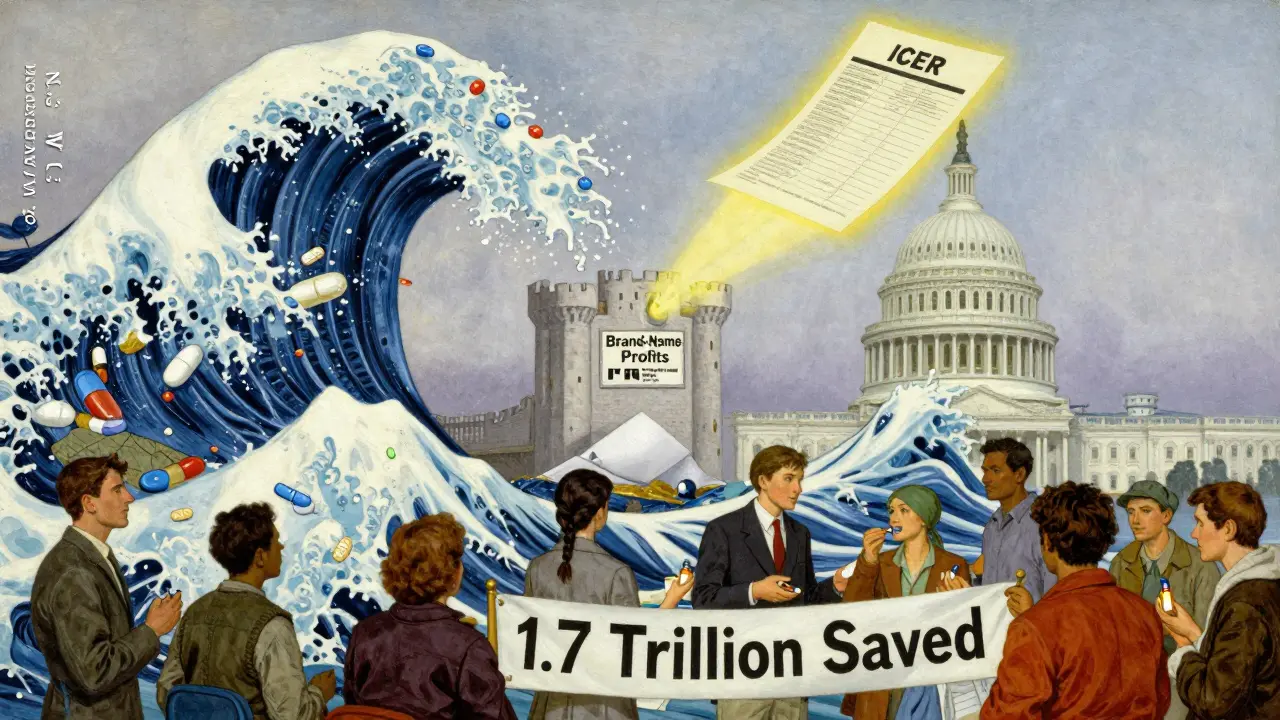





Comments(16)