
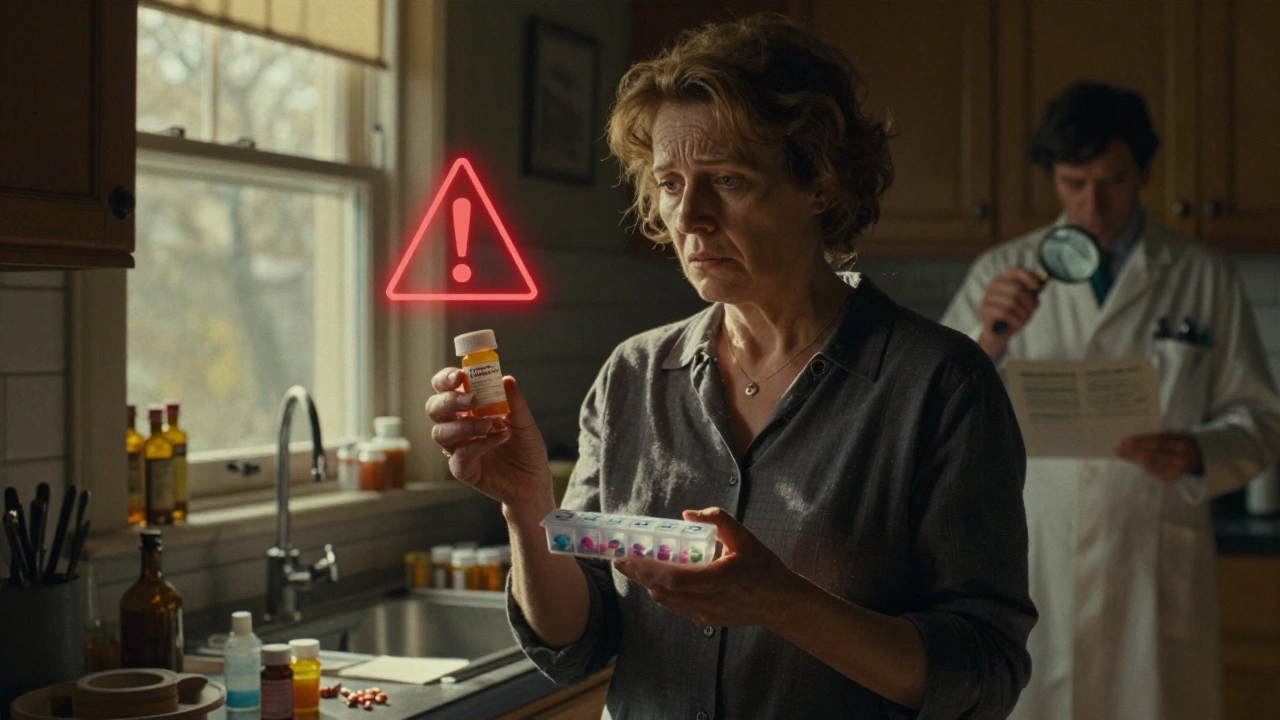
Every year, over 23,000 people in the U.S. end up in the emergency room because a supplement they took messed with their prescription medication. And most of them had no idea it could happen. You might think, "It’s natural, so it’s safe." But that’s not true. St. John’s wort, for example, can cut the effectiveness of your birth control, heart meds, or even your transplant drugs by half. And you won’t feel it happening until it’s too late.
Why Supplements Can Be Dangerous with Medications
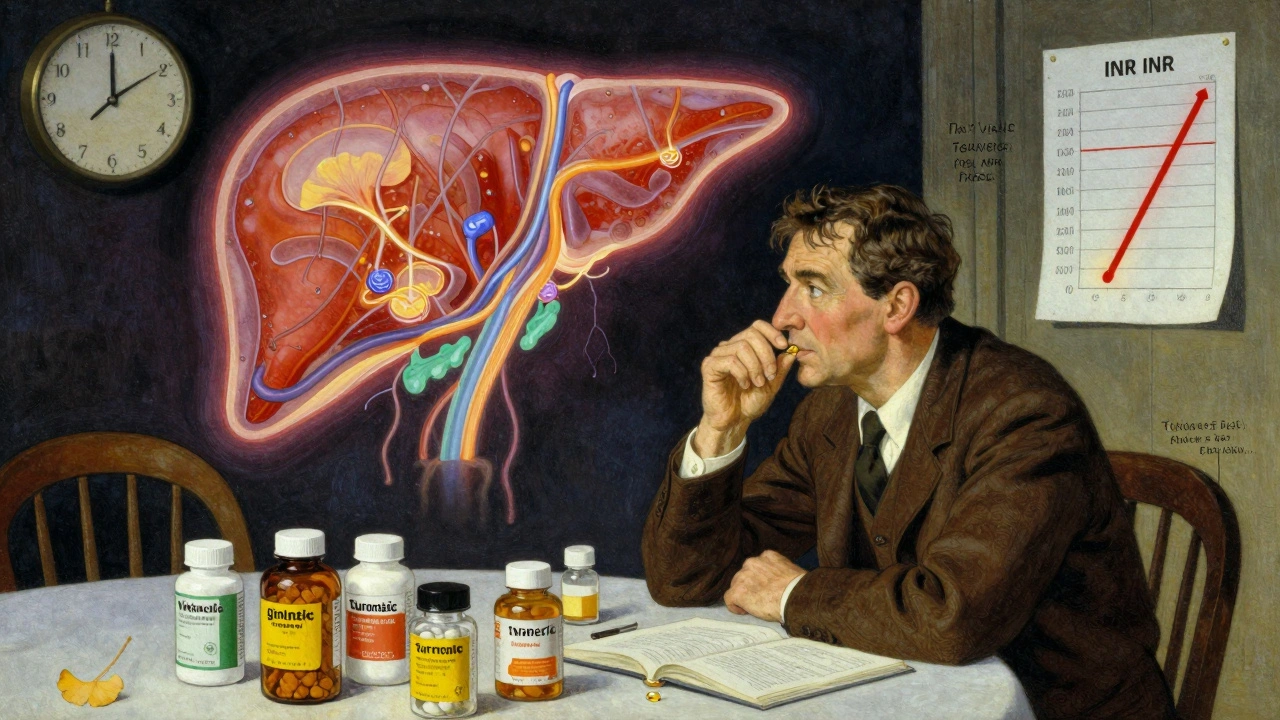
Your body doesn’t know the difference between a pill from the pharmacy and a capsule from the health store. Both get processed the same way - through your liver and intestines. That’s where the trouble starts. Many supplements change how your body breaks down drugs. Some slow it down, making your meds build up to toxic levels. Others speed it up, so your medicine doesn’t stick around long enough to work. The biggest culprit? The cytochrome P450 enzyme system. It’s like a factory that processes most prescription drugs. St. John’s wort, goldenseal, and even grapefruit juice can shut down or overload this system. Other risks include supplements competing for the same absorption path. Calcium, iron, magnesium, and zinc all fight for the same doorway into your bloodstream. Take them together, and your body absorbs less of each. That means your thyroid med or your antibiotic might not work right. Then there’s the additive effect. Vitamin E, fish oil, and ginkgo biloba all thin your blood. If you’re on warfarin or Eliquis, stacking them can turn a small cut into a life-threatening bleed. Studies show ginkgo can make major bleeding 2.3 times more likely when combined with blood thinners.High-Risk Supplements You Need to Avoid
Not all supplements are created equal. Some are mostly harmless. Others? They’re ticking time bombs when mixed with meds.- St. John’s wort - Interacts with over 57 prescription drugs. Reduces effectiveness of cyclosporine (transplant drugs), SSRIs (antidepressants), birth control, and even some cancer meds. FDA data shows it can drop drug levels by up to 60%.
- Ginkgo biloba - Safe for most, but deadly with blood thinners. Linked to 15 clinical cases of dangerous bleeding when taken with warfarin or aspirin.
- Garlic, ginger, and turmeric - These “healthy” spices thin your blood. Surgeons require you to stop them 7-10 days before any operation.
- Vitamin E (400 IU or higher) - Raises INR levels in people on warfarin by 15-20%. That’s enough to trigger internal bleeding.
- Goldenseal - Blocks liver enzymes that process many drugs. Can cause dangerous buildup of statins, antidepressants, and diabetes meds.
On the flip side, some supplements like milk thistle, cranberry, and American ginseng have very few documented interactions. But even these aren’t risk-free if you’re on something with a narrow therapeutic window - like digoxin or lithium.
Medications That Are Especially Dangerous with Supplements
Some drugs are more sensitive than others. These are the ones that can kill you if mixed with the wrong supplement:- Warfarin (Coumadin) - Any supplement that thins blood (fish oil, vitamin E, ginkgo) can push your INR into dangerous territory. A single 400 IU vitamin E pill can be enough to send you to the ER.
- Cyclosporine and tacrolimus - Used after organ transplants. St. John’s wort can drop levels by 50%. That means your body could reject the new organ.
- Amiodarone (Cordarone) - A heart rhythm drug. Combined with simvastatin above 20 mg daily, it raises the risk of muscle breakdown (rhabdomyolysis) by 15 times.
- SSRIs (Prozac, Zoloft, etc.) - St. John’s wort can trigger serotonin syndrome - a potentially fatal condition with high fever, seizures, and heart rhythm problems.
- Birth control pills - St. John’s wort reduces effectiveness by speeding up hormone breakdown. There are hundreds of user reports of unplanned pregnancies because of this.
The FDA calls these "medications with narrow therapeutic indices" - meaning the difference between a helpful dose and a toxic one is tiny. Supplements can easily push you over the edge.
How to Check for Interactions - Step by Step
You don’t need to be a pharmacist to protect yourself. Here’s what actually works:- Make a full list - Write down every pill, capsule, powder, and tincture you take. Include dosages and how often you take them. Don’t forget herbal teas, CBD oil, or melatonin.
- Bring it all to your doctor or pharmacist - This is called the "brown bag method." A 2022 Johns Hopkins study showed it cuts medication errors by 37%. Most people only mention their prescriptions. They forget the ginseng or the fish oil.
- Ask specifically about interactions - Don’t say, "Is this safe?" Say, "I take [medication] and [supplement]. Could they hurt each other?" Be direct.
- Check the label - Look for "Warning" statements. If it says "Do not take with blood thinners" or "May interact with antidepressants," take it seriously.
- Use a reliable tool - The FDA is launching a new app in late 2024 that scans supplement labels and flags interactions. Until then, use Drugs.com’s interaction checker or MedlinePlus. Both are free and updated regularly.
Pharmacists are your best friend here. Walgreens and CVS have mandatory screening programs. In 2021, they found dangerous interactions in 18% of consultations. That’s nearly 1 in 5 people.
Who’s at the Highest Risk?
You might think this only affects older people. But it’s worse than that. Adults over 50 are the most at-risk group. 78% of them take both prescription drugs and supplements. But only 32% tell their doctor about the supplements. Why? Because they think it’s not important. Or they don’t want to be judged. Women on birth control are another hidden group. St. John’s wort is sold as a "natural mood booster." Many women take it without realizing it can make their pill useless. The CDC says this is one of the fastest-growing causes of unintended pregnancy in women using supplements. Even young, healthy people aren’t safe. If you’re taking statins for high cholesterol and start a turmeric supplement for inflammation, you’re increasing your risk of muscle damage. No symptoms at first. Then suddenly - muscle pain, dark urine, kidney failure.
What to Do If You’ve Already Mixed Them
If you’ve been taking a supplement with your meds and you’re not sure if it’s safe:- Don’t stop your medication cold. That can be dangerous too.
- Stop the supplement immediately. Especially if it’s St. John’s wort, ginkgo, or high-dose vitamin E.
- Call your pharmacist or doctor. Tell them exactly what you took and for how long.
- Watch for warning signs: Unusual bruising, bleeding gums, dizziness, rapid heartbeat, muscle pain, confusion, or severe fatigue.
If you feel anything off, go to urgent care. Don’t wait. A simple blood test can catch problems before they turn deadly.
The Bottom Line
"Natural" doesn’t mean safe. It just means it’s not regulated like a drug. The supplement industry made $56 billion in 2023. But there’s no pre-market safety testing. No FDA approval required. No warning labels unless they’re caught breaking the law. Your safety depends on you. Keep a list. Talk to your pharmacist. Ask the hard questions. And never assume a supplement is harmless just because it’s on a shelf next to the protein powder.One phone call to your pharmacist could save your life. And it takes less than five minutes.
Can I take vitamin D with my blood pressure medication?
Yes, vitamin D is generally safe with most blood pressure meds. It doesn’t interfere with how they work. But if you’re taking a calcium channel blocker like verapamil or diltiazem, high doses of vitamin D can raise your calcium levels too much, which might affect your heart rhythm. Stick to 1,000-2,000 IU daily unless your doctor says otherwise.
Is it safe to take magnesium with my heart medication?
It depends. Magnesium can interfere with antibiotics like ciprofloxacin and tetracycline if taken at the same time - reduce absorption by up to 50%. With heart meds like digoxin, magnesium can lower your levels too much, making the drug less effective. If you’re on a diuretic, magnesium might be needed, but only under medical supervision. Always space them out by at least 2 hours.
Does fish oil thin your blood like aspirin?
Yes, fish oil has a mild blood-thinning effect. It doesn’t work the same way as aspirin, but combining it with warfarin, clopidogrel, or Eliquis can increase your risk of bleeding. Studies show people taking over 3,000 mg daily of fish oil with blood thinners have a higher chance of nosebleeds, bruising, and even internal bleeding. If you’re scheduled for surgery, stop it 7-10 days before.
Can I take melatonin with antidepressants?
Melatonin is usually safe with most antidepressants, including SSRIs and SNRIs. But if you’re taking an MAOI (like phenelzine), combining it with melatonin could raise serotonin levels too high, leading to serotonin syndrome. Also, melatonin might make some antidepressants more sedating. Start with a low dose - 0.5 to 1 mg - and talk to your doctor if you feel unusually drowsy or dizzy.
Why don’t supplement labels warn about drug interactions?
Because they don’t have to. Under the Dietary Supplement Health and Education Act of 1994, supplement makers aren’t required to prove safety before selling. They only need to warn if they have solid evidence of harm - and even then, many don’t. The FDA only steps in after people get hurt. That’s why you can’t rely on labels. Always check with a pharmacist or use a trusted interaction checker.
What should I do before surgery if I take supplements?
Stop all supplements at least 7-10 days before surgery. This includes garlic, ginkgo, fish oil, vitamin E, turmeric, and even green tea extract. They all increase bleeding risk. Some hospitals now have mandatory pre-op supplement screenings. Tell your surgeon and anesthesiologist everything you take - even if you think it’s harmless.
What to Do Next
Take action today. Grab your pill organizer or your phone. Write down every supplement you take. Then call your pharmacist. Ask: "Do any of these interact with my prescriptions?" Don’t wait for a checkup. Don’t assume they’ll ask. Most won’t.The FDA’s new supplement scanner app is coming in late 2024. But right now, your best tool is a pharmacist and a honest conversation. Your health isn’t a gamble. Don’t risk it because you thought it was "just a vitamin."




Comments(11)