

Imagine opening your cupboard drawer and seeing more than five different bottles lined up, each with its own label and dosing schedule. For millions of people worldwide, especially those navigating chronic conditions, this isn't just clutter; it is daily life. Polypharmacy is the regular concurrent use of five or more medications at the same time. While some medication combinations are necessary and life-saving, crossing that five-medication threshold often marks a turning point where risk starts outweighing benefit.
Understanding the Real Risk of Too Many Meds
We tend to think of each pill as a small, isolated fix for a problem, but our bodies don't work in silos. When you take multiple drugs together, they interact chemically. This doesn't always mean you get hurt immediately, but the likelihood of negative side effects grows significantly. Research from the American Academy of Family Physicians (AAFP) highlights a startling fact: 44% of older adults in the United States take five or more prescription medications daily. Even more concerning is that 20% of them are taking ten or more. At this volume, keeping track of which drug treats which symptom becomes a logistical nightmare for both patients and doctors.
The term "polypharmacy" gets thrown around loosely, but there is a distinct difference between "appropriate" and "inappropriate" use. Appropriate polypharmacy happens when every single medicine has a clear job, helps you reach a health goal agreed upon with your doctor, and offers a better risk-reward ratio than doing nothing. Inappropriate polypharmacy, however, is where the danger lies. This includes taking medicines that no longer have a purpose, ones that cause more problems than they solve, or medications prescribed because of side effects from other drugs rather than treating a new illness directly.
The Hidden Danger of Prescribing Cascades
One of the trickiest ways polypharmacy builds up is through something called a prescribing cascade. Imagine you start a new blood pressure medication. A few weeks later, you feel dizzy. Instead of recognizing the dizziness as a side effect of the first drug, a doctor might prescribe an anti-nausea pill. Now you are taking two pills for one original problem. The new pill might then make you constipated, leading to a laxative prescription. You now have three medications running to manage the fallout of the first one. This cycle traps many patients in a web of unnecessary treatment that complicates their overall health picture.
Side Effects are unintended reactions to medications that can range from mild discomfort to serious harm. In the context of polypharmacy, common manifestations include unexplained falls, increased confusion, urinary retention, and blurred vision. These symptoms often lead families to believe a patient is simply "getting old" or suffering from dementia, when the root cause might actually be a toxic buildup of medication interactions.What Happens Inside Your Body?
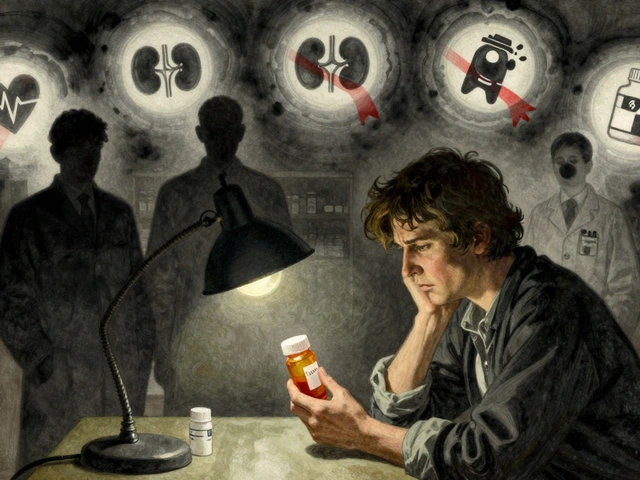
When multiple drugs enter your system, they compete for processing power, usually handled by your liver and kidneys. Think of these organs as a highway with limited lanes. If three different medications all need to go through the same metabolic pathway, traffic jams occur. One drug might block another from being processed, causing levels to spike to dangerous amounts. Or, one drug might speed up the clearance of another, rendering it useless before it can do its job. This is why monitoring is critical. Just because you feel okay today doesn't mean the chemistry isn't shifting beneath the surface.
| Symptom Category | Common Warning Signs | Potential Cause |
|---|---|---|
| Mobility Issues | Frequent stumbling, falls, unsteady gait | Sedatives, antihistamines, blood pressure meds |
| Cognitive Changes | Brain fog, memory gaps, confusion | Painkillers, anxiety meds, sleep aids |
| Physical Discomfort | Dry mouth, nausea, constipation, fatigue | Anticholinergics, diuretics, muscle relaxants |
| Blood Work Abnormalities | Low blood counts, kidney stress markers | Hepatotoxic drugs, NSAIDs, potassium interactions |

The Brown Bag Review: Taking Control
The most effective step you can take right now is organizing a comprehensive medication review, often called a "Brown Bag Review." The next time you visit your primary care provider, bring a grocery bag containing every single container of medicine you own. This includes prescriptions, vitamins, supplements, over-the-counter pain relievers like ibuprofen, and herbal teas. Many people forget that a bottle of Melatonin or Fish Oil counts toward the total load on their body. The World Health Organization (WHO) emphasizes that safe dispensing and administration protocols require transparency. By laying everything out on the desk, you force a pause for the entire medical team to see the full picture.
During this meeting, ask for a written list that links every medication to a specific diagnosis. A standard note pad isn't enough. You want a document that explains exactly why you are taking each item. If the doctor cannot explain the reason for a particular pill after five minutes of digging, that is a major red flag that the medication needs re-evaluation. This creates accountability. Without a clear "indication" or medical reason for a drug, it shouldn't remain in your regimen.
Smart Strategies for Deprescribing
If you find yourself on too many meds, the solution isn't to throw them all in the trash tomorrow. Sudden stops can trigger withdrawal symptoms or rebound effects that are worse than the original condition. The process of safely stopping these drugs is known as Deprescribing, defined as the systematic process of identifying and discontinuing medications when potential harms outweigh benefits. Some medicines require a very slow tapering schedule, sometimes taking months to reduce the dose gradually.
Deprescribing is not just "giving up" on treatment; it is optimizing it. Often, a doctor might swap two older drugs for one newer combination pill, or replace a drug with a lifestyle change that serves the same function. For example, physical therapy might eventually replace a joint pain medication. Evidence supports this approach, though guidelines note we need structured plans to ensure the absolute count decreases safely. Always insist on a timeline: "If we try to stop this med, what will we watch for, and how long will the process take?" Knowing the plan reduces anxiety significantly.

Leveraging Technology and Professional Help
You don't have to manage this entirely alone. In modern healthcare settings, pharmacists play a pivotal role in spotting interactions that busy doctors might miss. Consider consolidating your pharmacy visits. Using a single pharmacy means their computer system captures your entire history. If a specialist prescribes something at a different clinic, the central pharmacy system can flag a conflict before the pills ever reach your hands. This is far superior to having multiple specialists who never talk to each other.
For high-risk cases, clinicians often turn to tools like the Beers Criteria, a list of medications potentially inappropriate for use in older adults due to their risks exceeding benefits. While you don't need to study this list yourself, knowing that such screening tools exist empowers you to ask your provider, "Are any of my medications on a list of drugs that might be unsafe for people my age?" Questions like this signal that you are an engaged partner in your care.
Creating a Safe Daily Routine
Adherence becomes harder as complexity rises. To keep things manageable, simplify your routine whenever possible. Link taking your medication to existing habits, like brushing your teeth or eating breakfast. If you have trouble remembering, use a visual cue. Clear plastic boxes for each day of the week help prevent double-dosing. However, be careful with automated dispensers; while helpful, they aren't foolproof. Always check the contents physically before ingestion. The AAFP recommends establishing consistent routines to boost adherence without adding mental clutter.
Fraud and self-medication errors are real risks. People often buy extra aspirin or a cold remedy without telling their doctor, assuming it is harmless because it doesn't need a prescription. But these Over-the-Counter (OTC) products contribute heavily to interaction risks. Treat non-prescription bottles with the same respect as your prescribed scripts. Keep a dedicated "Medication Master List" updated on your fridge or phone. Include the drug name, strength, dosage, frequency, reason for use, and the name of the doctor who prescribed it. Update this list every single time a change occurs.
Monitoring for Safety Signals
Finally, know when to call for help. If you notice sudden changes in balance, thinking, or energy levels, contact your healthcare team immediately. Don't wait until the next scheduled appointment. Sometimes these changes happen silently. Regular blood tests are part of the safety protocol to monitor organ function. As you move through the journey of managing multiple medications, remember that the goal is not necessarily fewer pills at all costs, but the right number of pills. Quality of life should always be the metric against which we measure success.
Is taking 5 medications always dangerous?
Not necessarily. Five medications can be completely safe and appropriate if each one treats a diagnosed condition and provides a clear benefit. The risk comes when medications lack a clear indication, interact negatively, or are taken unnecessarily.
Can I stop a medication on my own?
Never stop medications abruptly on your own. Some drugs cause severe withdrawal symptoms or rebound effects if discontinued suddenly. Always consult your provider for a tapered reduction plan.
Do vitamins count towards polypharmacy?
Yes. Supplements and vitamins can interact with prescription drugs and strain your liver similarly to pharmaceutical medications. They should be included in your total medication count during reviews.
How often should I review my medication list?
You should review your medication list at least once a year, even if your conditions seem stable. Guidelines recommend a formal review whenever a new medication is added or significant health changes occur.
Who should be involved in medication reconciliation?
Medication reconciliation is best done by a team including your primary care physician, pharmacist, nurses, and yourself. Caregivers should also be involved to ensure consistency across different healthcare providers.






Comments(9)