
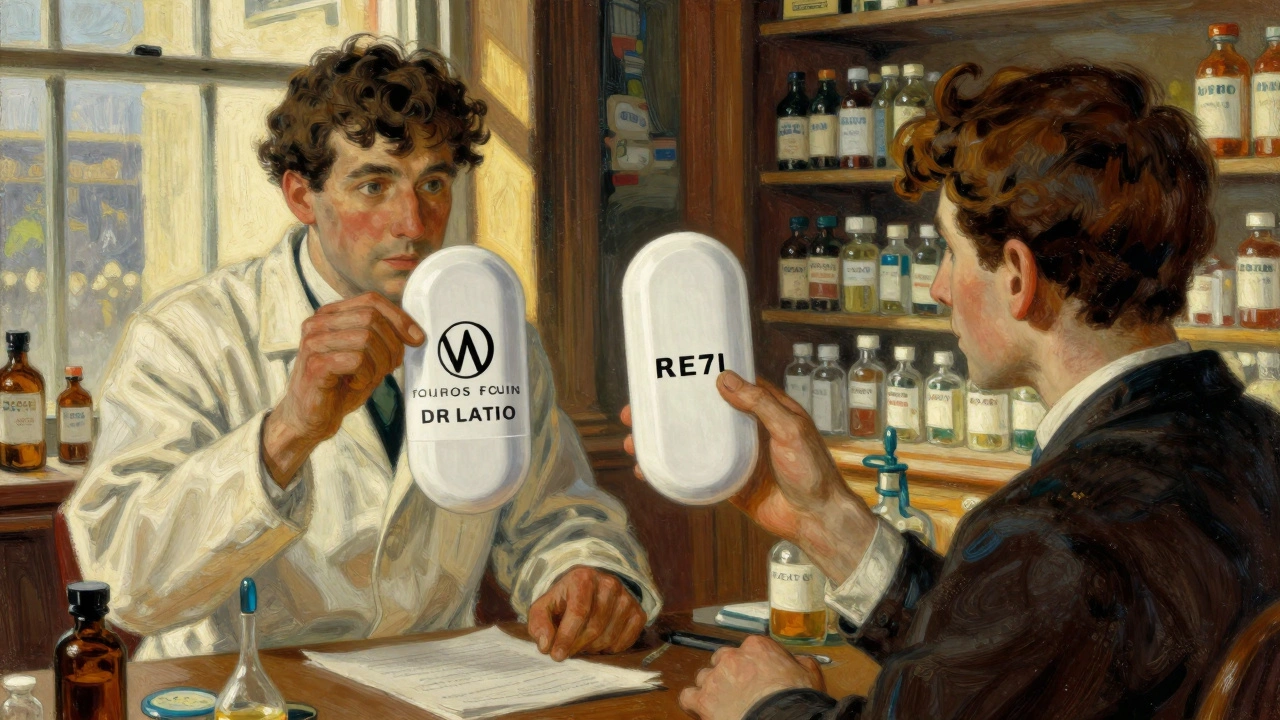
Ever picked up a prescription and noticed the pill looks different-maybe a different color, shape, or marking-but the name on the bottle is the same as your brand-name drug? You might think it’s a new generic version. But what if it’s not a generic at all? What if it’s the exact same pill-same ingredients, same factory, same quality-but just sold under a different label? That’s an authorized generic.
What Exactly Is an Authorized Generic?
An authorized generic is not a copy. It’s not a knockoff. It’s the real thing-made by the same company that makes the brand-name drug, sold under a generic label. Think of it like a luxury car brand making the exact same model but selling it through a budget dealership under a different name. The engine, the seats, the paint-everything’s identical. Only the badge changes.
The FDA defines it clearly: an authorized generic is a brand-name drug that’s marketed without the brand name, using generic labeling. It doesn’t need a separate FDA approval because it’s already approved under the original brand’s New Drug Application (NDA). That means no extra testing, no bioequivalence studies, no delays. It’s the same drug, just stripped of the brand name and price tag.
How Is It Different From Regular Generics?
Regular generics are made by other companies after the brand’s patent expires. They have to prove they’re bioequivalent-meaning they work the same way in your body. But they can use different inactive ingredients. That’s why a generic version of your pill might be a different color, shape, or even taste slightly off. Some people notice the difference. Others don’t.
Authorized generics? No differences. Same active ingredient. Same inactive ingredients. Same coating. Same manufacturing line. The only thing that changes is the label. No trade name. No logo. Just the drug’s chemical name.
Here’s the kicker: authorized generics aren’t listed in the FDA’s Orange Book-the official guide to generic drug approvals. That’s because they’re not generics by regulatory definition. They’re brand drugs in disguise. Pharmacists have to check a separate FDA list to confirm they’re authorized generics. That’s why sometimes your pharmacist has to call the manufacturer just to make sure it’s safe to swap.
Why Do Companies Make Authorized Generics?
It’s all about money-and control.
When a brand-name drug’s patent runs out, generic companies jump in. The first one to file gets 180 days of exclusive rights to sell the generic version. That’s a huge financial windfall. But the brand company doesn’t want to lose all the business. So they launch their own version-right on time.
Companies like Pfizer (through Greenstone), Procter & Gamble (through Prasco), and others have entire divisions built just to make authorized generics. They don’t need to wait for the 180-day window. They can drop their version the day the patent expires. And because it’s identical to the brand, many patients and doctors don’t even notice the switch.
This strategy keeps the brand company in the game. They still get sales. They still get revenue. And they undercut the competition before it even gets started.
Is It Cheaper Than the Brand?
Yes-but not always.
Authorized generics are usually priced lower than the brand-name drug, but not always as low as traditional generics. Why? Because they’re still made by the same company that used to charge $300 for a 30-day supply. Now they’re selling it for $50. Still a big drop. But if a third-party generic is selling the same drug for $15, the authorized version might sit at $30.
That’s because the brand company doesn’t have to compete on price alone. They compete on trust. Patients who’ve been on the brand for years might prefer the authorized generic because they know it’s the exact same thing. No guesswork. No risk.
Why Do Pharmacists Get Confused?
Because the system isn’t designed for this.
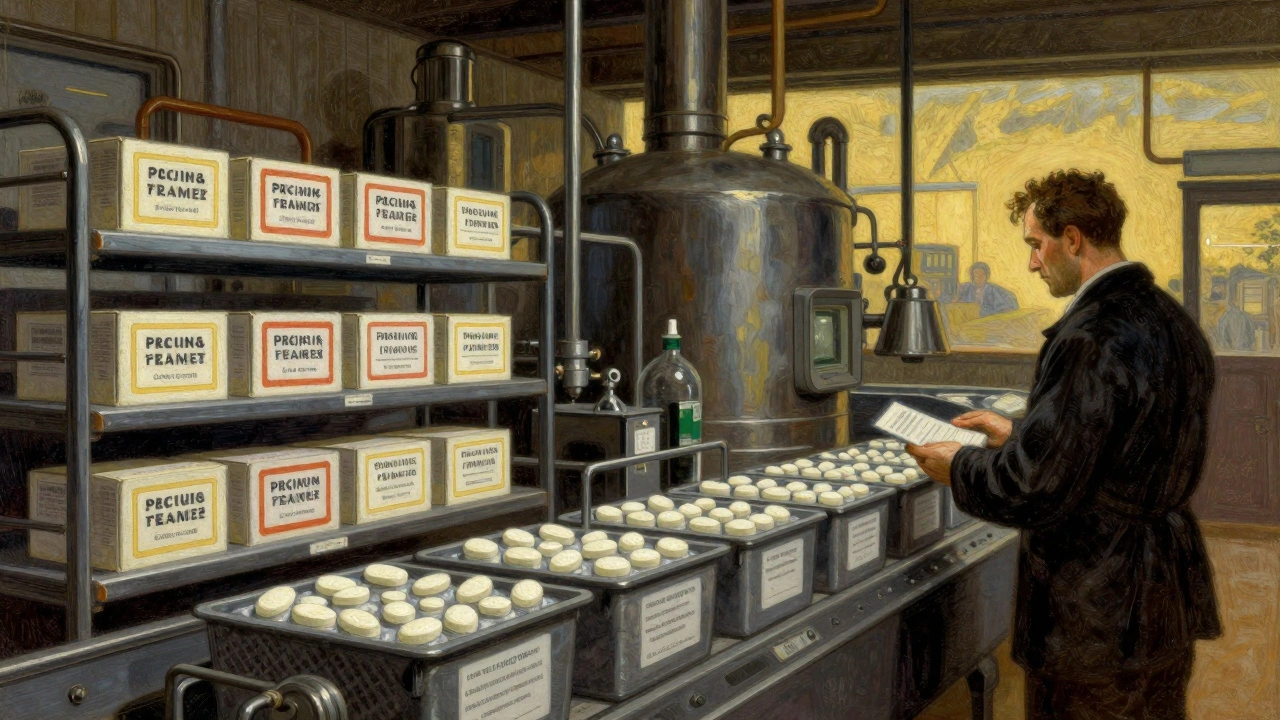
Pharmacists rely on the Orange Book to know which generics are interchangeable with the brand. But authorized generics? Not there. So when a prescription comes in for “atorvastatin,” and the pharmacy gets a white pill labeled “Pfizer,” the pharmacist has to dig deeper. Is this a generic? Is this the brand? Is this an authorized generic?
Some pharmacists have to manually check the FDA’s List of Authorized Generic Drugs. Others rely on their wholesaler’s database. It’s extra work. And if they don’t catch it, they might accidentally dispense a traditional generic when the patient was expecting the authorized version.
Patients don’t always know what they’re getting. One woman told her doctor she couldn’t tolerate the generic version of her blood pressure pill. Turns out, she’d been getting the authorized generic all along-identical to the brand. She just didn’t recognize the new label. Her body didn’t react to the drug. She reacted to the label.
Are Authorized Generics Safe?
Yes. Completely.
The FDA says they’re therapeutically equivalent to the brand. No exceptions. No loopholes. They’re the same drug. Same manufacturing standards. Same quality control. The only difference is the packaging and the price.
Some people worry that because authorized generics aren’t reviewed like traditional generics, they might be less safe. That’s not true. They’re made under the same strict rules as the brand. The same inspectors visit the same factories. The same batch records are kept.
In fact, many patients report fewer side effects with authorized generics than with traditional generics-not because the drug changed, but because the inactive ingredients are identical. No new fillers. No new dyes. No surprises.
Should You Ask for One?
If you’re on a brand-name drug and cost is a concern, absolutely.
Ask your doctor: “Is there an authorized generic for this?”
Ask your pharmacist: “Is this the authorized version?”
Compare the price. Sometimes it’s the same as a traditional generic. Sometimes it’s a little higher. But if you’ve had bad reactions to other generics in the past, the authorized version might be your safest bet.
Don’t assume your insurance will automatically switch you. Some plans push the cheapest generic-even if it’s not the same formula. You have to speak up.
What’s the Catch?
There’s one big one: it hurts competition.
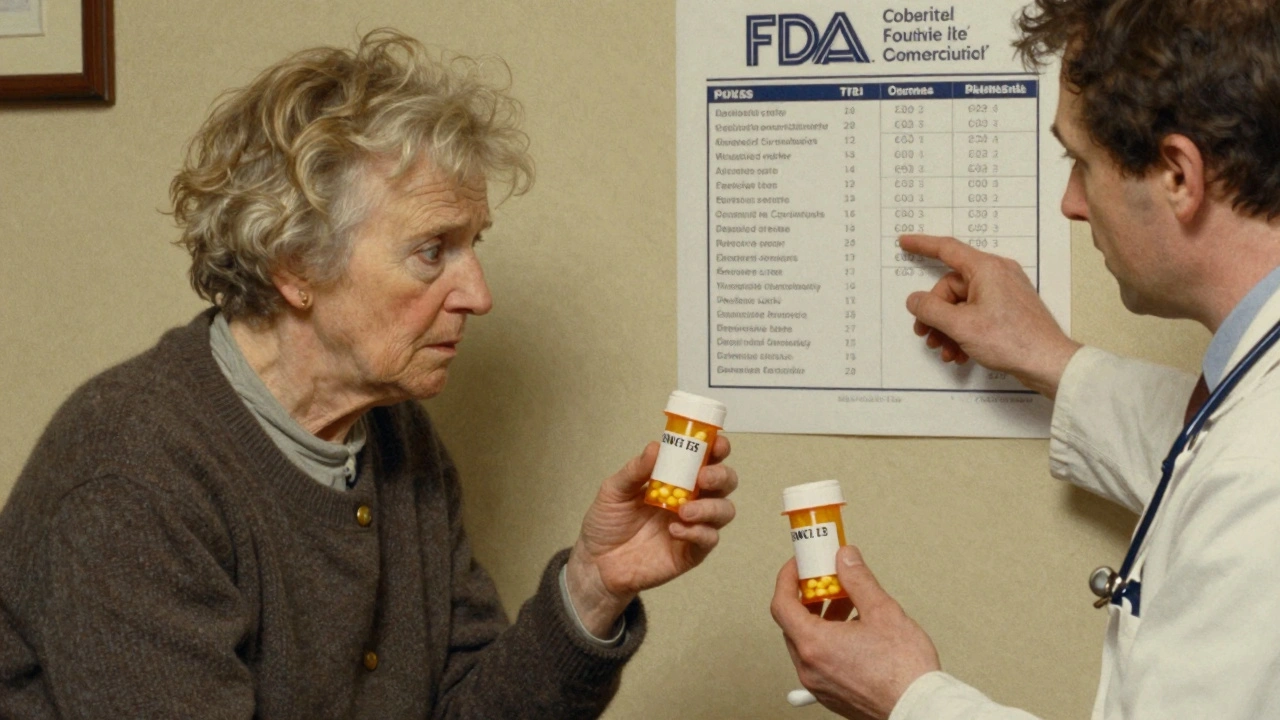
The Hatch-Waxman Act was designed to encourage generic companies to challenge patents by giving them 180 days of exclusivity. But when the brand company launches an authorized generic during that window, it crushes the first generic’s profits. Why? Because now there are two versions of the same drug on the market-and the brand company controls both.
That’s why some critics call authorized generics a loophole. They say it undermines the whole point of the generic drug system. The FDA doesn’t ban it. Congress hasn’t changed the law. So it’s legal. But it’s controversial.
Still, for the patient? It’s a win. You get the same drug. Lower price. No risk. No guesswork.
How to Spot an Authorized Generic
- Check the label. If it has the drug name (like “metformin”) but also says “Made by Pfizer” or “Distributed by Prasco,” it’s likely an authorized generic.
- Compare the pill’s appearance to your old brand. If it’s identical-same color, same shape, same markings-it’s probably an authorized generic.
- Ask your pharmacist. They can check the FDA’s list.
- Look up the drug on GoodRx or SingleCare. If the authorized generic shows up as a separate option under the brand name, you’ve found it.
Remember: if the label says “generic” and doesn’t mention the brand company, it’s probably a traditional generic. If it says the brand company’s name, it’s authorized.
What’s Next for Authorized Generics?
More of them.
As more blockbuster drugs lose patent protection-like Humira, Eliquis, and Xarelto-brand companies are setting up authorized generic divisions faster than ever. It’s becoming standard practice. Not a trick. Not a loophole. A business model.
Patients will see more of these pills on shelves. More confusion. More questions. But also more choices.
Right now, the system is messy. But for you? It’s simple. If you want the brand drug without the brand price, ask for the authorized generic. It’s the closest thing to the real thing-and it’s legal, safe, and often cheaper.




Comments(11)